Geography
Places, borders, and the physical world.
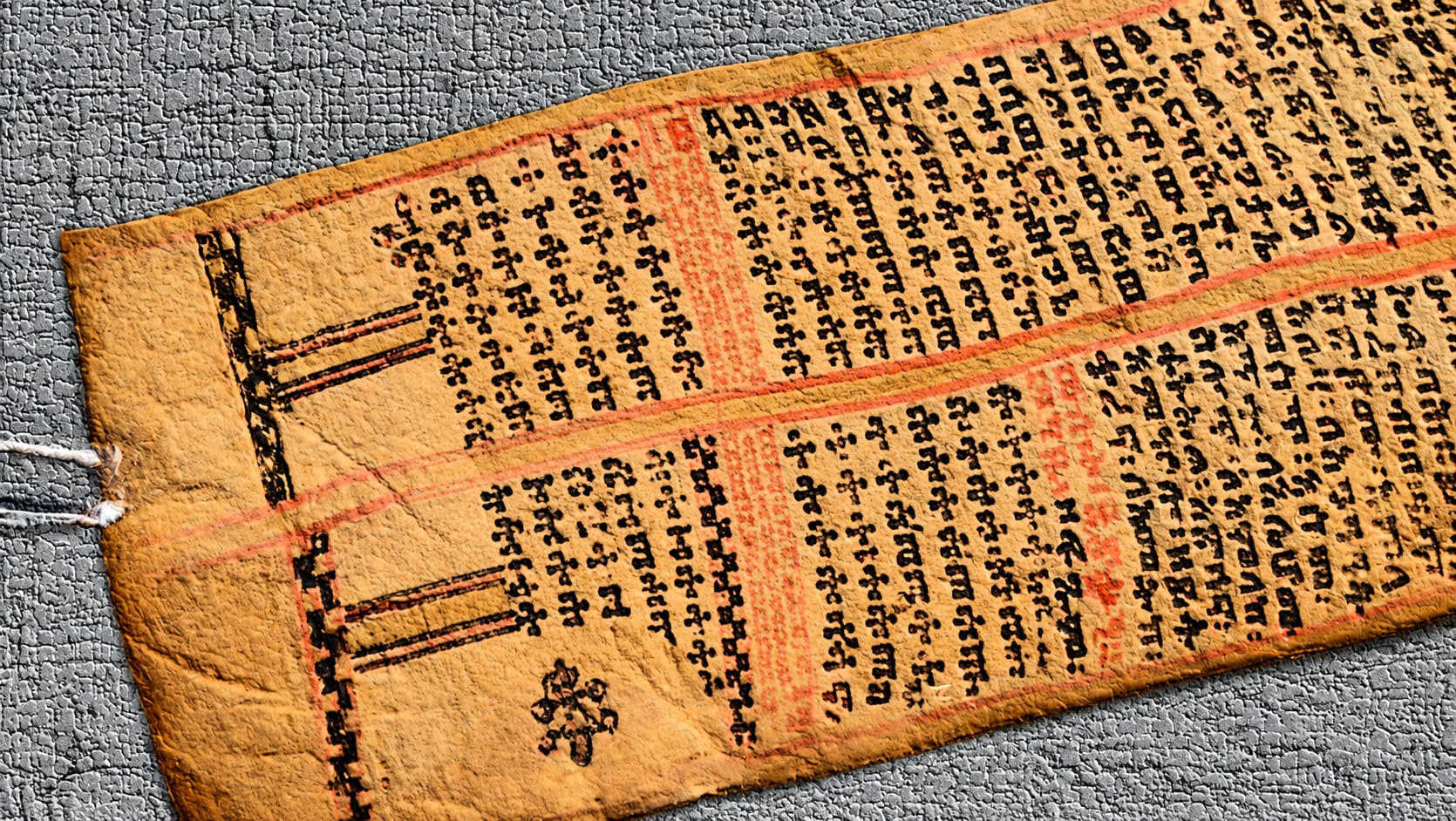
Ethiopia is one of the few countries in Africa with its own indigenous alphabet. Amharic and several other Ethiopian languages are written in the Ge'ez script, or Fidäl — a writing system developed locally rather than adapted from Latin or Arabic.
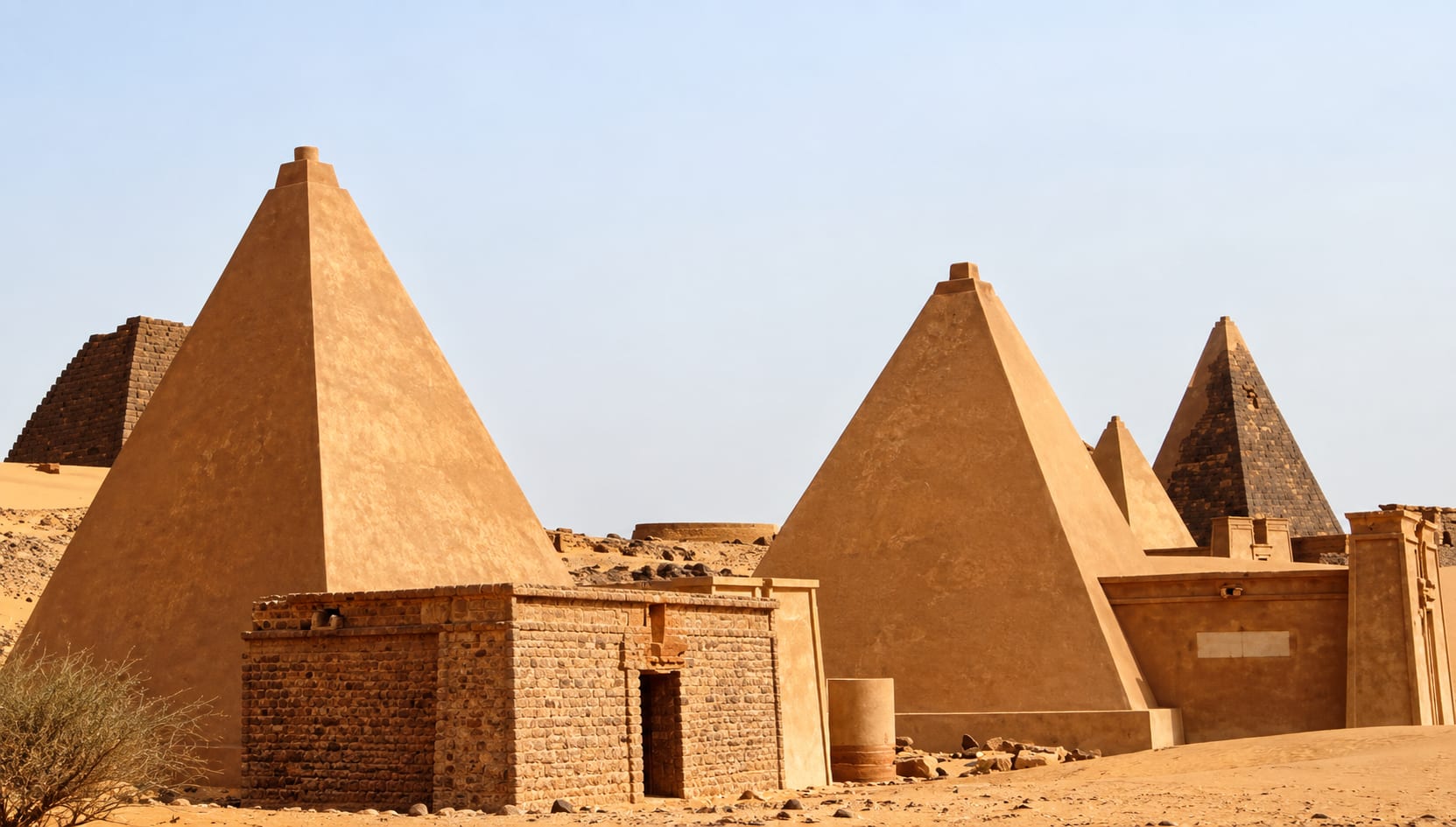
Sudan has more pyramids than Egypt — roughly twice as many. More than 200 Nubian pyramids survive in Sudan, most of them at sites like Meroë, built as tombs for the kings and queens of the Kingdom of Kush.
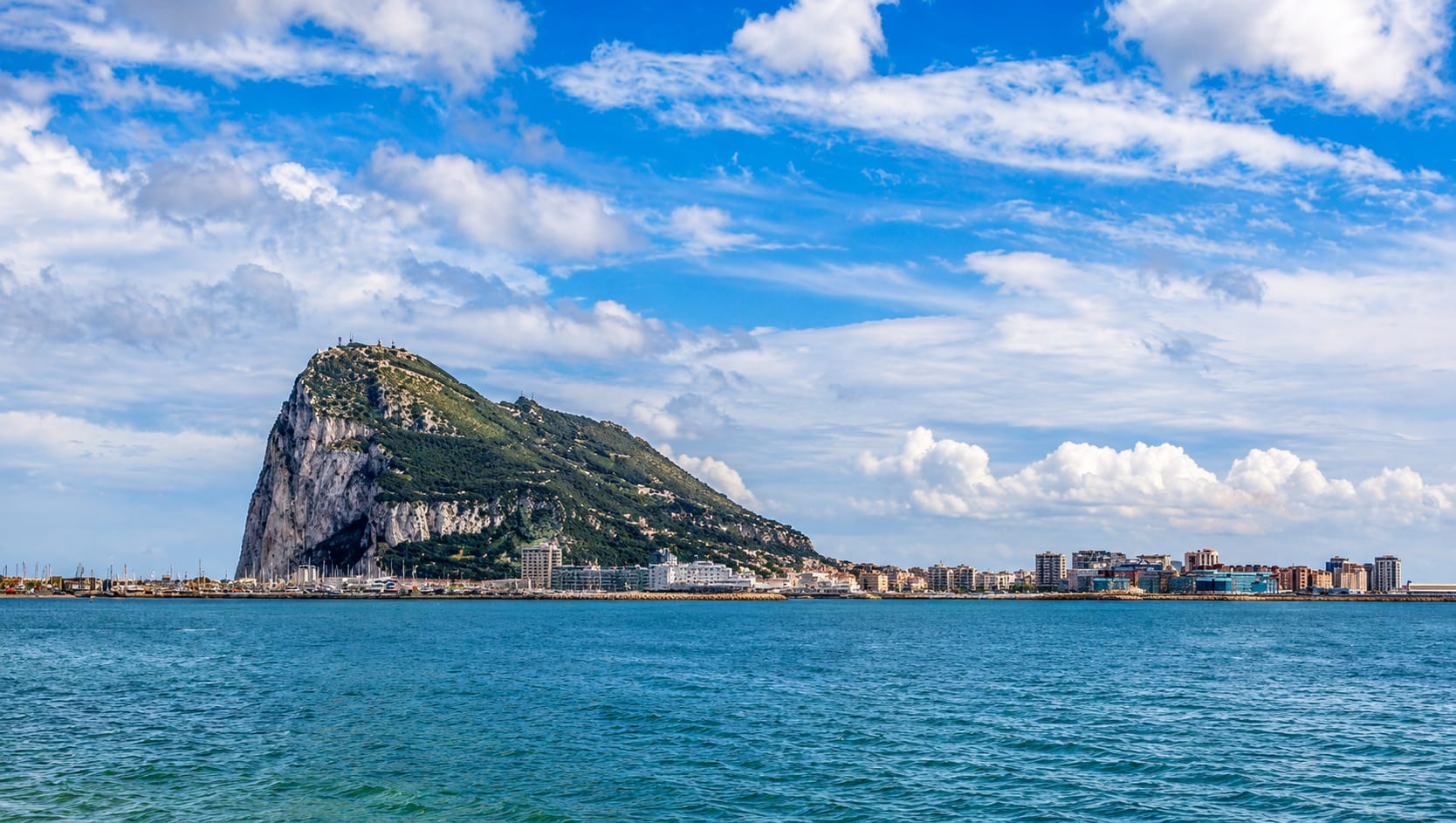
Africa and Europe are only about 14 kilometres apart at their closest point. The Strait of Gibraltar separates Spain from Morocco by roughly 14 km of water at its narrowest — close enough that each continent is clearly visible from the other.
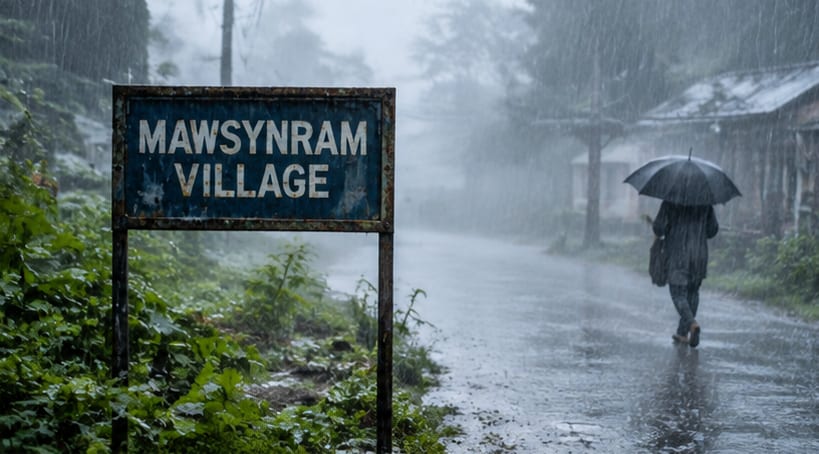
The wettest place on Earth is a village in northeast India. Mawsynram, in the hills of Meghalaya, receives the highest average annual rainfall recorded anywhere in the world.
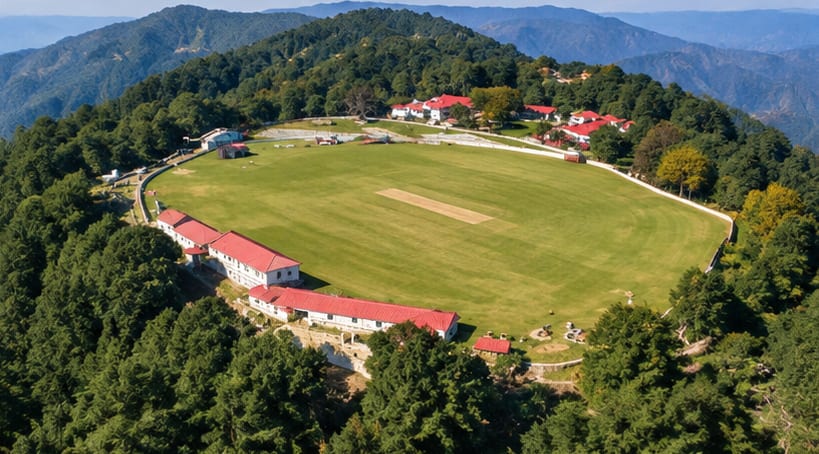
The world's highest cricket ground sits at 2,444 metres in the Himalayas. Built in 1893 by the Maharaja of Patiala, the pitch at Chail in Himachal Pradesh was made by levelling the top of a hill.
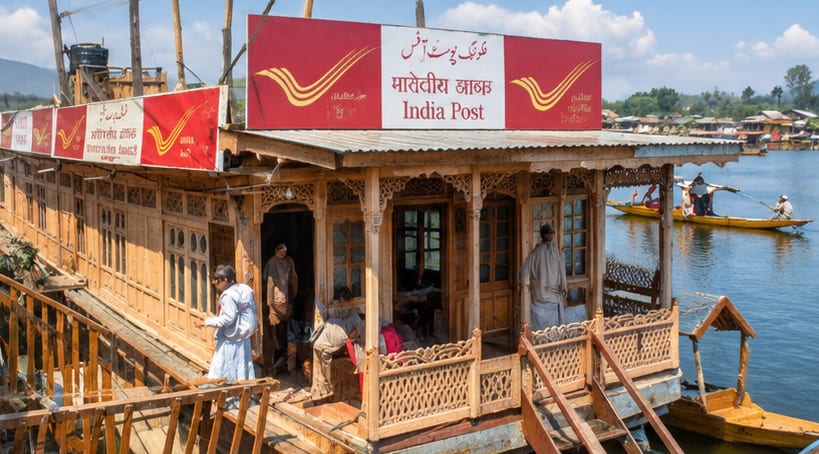
India has the largest postal network in the world. More than 150,000 post offices reach across the country, among them a branch that floats on a lake in Kashmir.
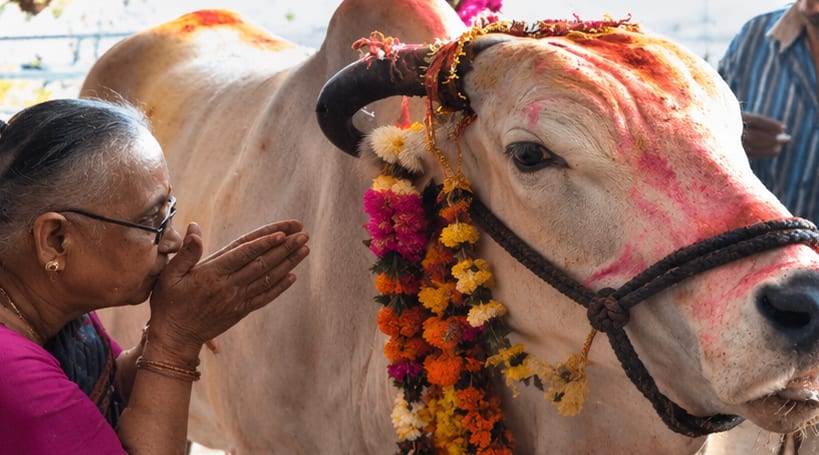
India produces more milk than any other country. It accounts for close to a quarter of the world's supply — more than the entire European Union combined.